I run restic to back up my servers.
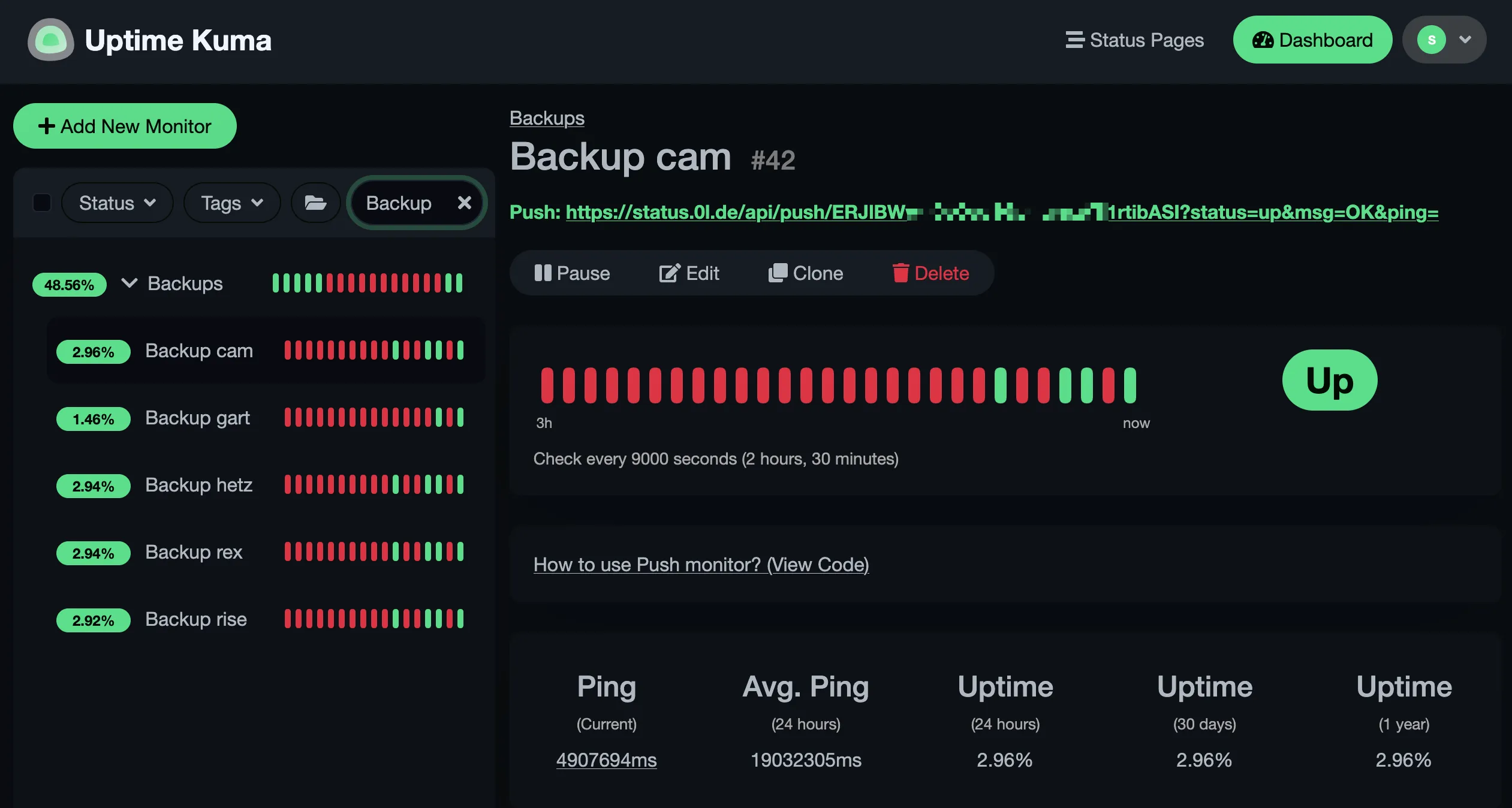
One day I noticed a repository hadn’t received a new snapshot in weeks.
The backup job had been silently failing, and I had no idea.
That’s the worst kind of failure: everything appears fine until you actually need the backup.
/stv0g/restic-monitor is a small Go tool that checks whether each of your restic repositories has a recent enough snapshot and reports the result to an Uptime Kuma push monitor.
Run it on a timer and you’ll know within hours if a backup stops working.
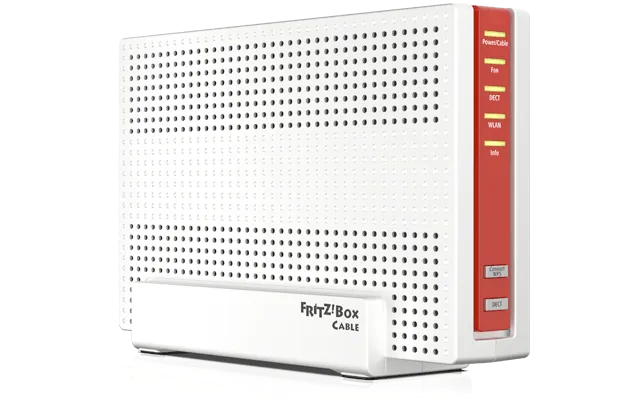
Just like the venerable Dnsmasq, AVM’s FRITZ!OS uses hostnames learned from its DHCP leases and makes them resolvable via its internal DNS server.
Unfortunately, this feature in FRITZ!OS has some limitations:
The name of the DNS Zone is hard-coded to fritz.box and can not be adjusted. Hence, the resolvable names have the following schema: myhostname.fritz.box
The internal DNS server only supports recursive DNS lookups. It does not act as an authoritative DNS server. Hence the local zone can not be delegated.
AXFR zone transfers are not supported.
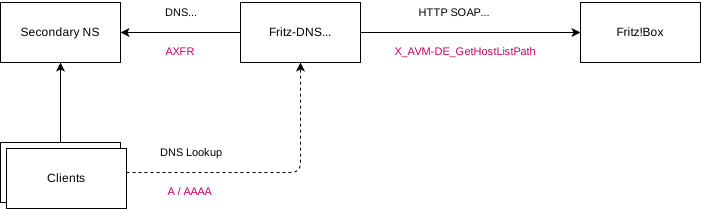
My solution to these shortcomings is Fritz-DNS which:
Is a small tool written in the Go programming language.
Is a small authoritative DNS server which serves A / AAAA resource records for local hosts connected to an AVM FRITZ!Box home WiFi router.
Can be used in a hidden master configuration as it supports AXFR zone transfers.
Uses the custom extension (X_AVM-DE_GetHostListPath) of the TR-064 Hosts SOAP-API as documented here to retrieve a list of local hosts.
Supports the generation of AAAA (IPv6) resource records based on the hosts MAC addresses using the 64-Bit Extended Unique Identifier (EUI-64) and a configured unique local address (ULA) prefix.
Does not yet support PTR resource records (to be implemented…)